
 Südheide · Germany
Heidschnuckenweg Südheide
Seven days from Soltau to Celle

About Heidschnuckenweg Südheide
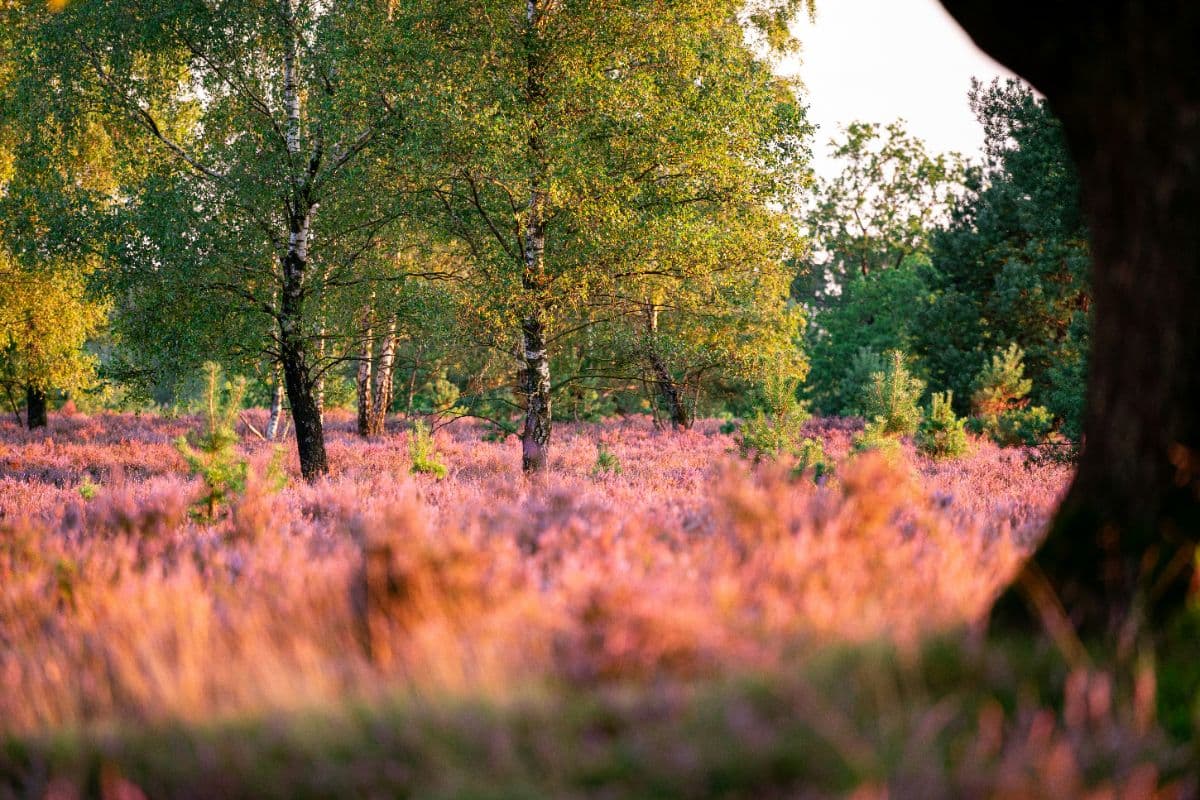
The Südheide is the southern section of the Heidschnuckenweg, the trail through the Lüneburg Heath. This section runs in seven stages some 112 kilometres from Soltau to Celle, through forests and heath plains less built-up than the northern section, and finishes in Celle's old town with its Renaissance palace, Germany's oldest still-performing theatre (1671) and around 400 half-timbered houses.
Every day has its own face. The Lönsstein on the Wietzer Berg, the monument to heath poet Hermann Löns, looks out over one of Germany's classic heath panoramas. The Wacholderwald at Schmarbeck is the largest juniper wood in northern Germany: hundreds of bizarre, contorted shrubs on a hill. The Tiefental is a narrow, silent valley whose rim opens a surprisingly wide panorama. And at the Angelbecksteich a memorial stone tells the darkest story of the Heide: the August 1975 forest fire, the largest in German history, whose pines now growing are its quiet witnesses.
Practical. Seven Etappen (stages) of 7 to 27 kilometres, mostly sand and forest, with barely 300 m of climbing in total. The trail is waymarked throughout with a white 'H' on a black square. Food and drink are sparse on the longer stages of the Südheide: carry provisions. Overnight in Müden (Örtze), by the Oberoher Heide, in Hermannsburg and in Celle; Celle is reachable by IC and ICE via Hannover or Uelzen. The best window is August to mid-September, when the heather blooms and a weekend Heide-Shuttle bus links the stage points.
Stages Heidschnuckenweg Südheide
The Heidschnuckenweg Südheide is split here into 7 stages of 7 to 27 km, 108 km in total, from Soltau to Residenzstadt Celle. The stages below are a sample itinerary: in the planner you put together your own days and choose where you sleep.
Soltau - Wietzendorf
The Südheide starts quietly. Out of Soltau through the Breidings Garten park, then a day of gentle alternation: forest, field, meadow, heath, always best along the edges. Near the Weiher Bergen a broad band of heather and juniper runs beside the path, and from the unremarkable Königsberg the view opens up all the way to the horizon. The Große Aue accompanies you into Wietzendorf as the village winds down. A stage without big highlights, and precisely for that reason so typical of the Südheide: landscape as landscape.
Wietzendorf - Müden (Örtze)
The postcard day. After a soft climb over the Häteler Berg comes the Wietzer Berg plateau, and there it is: the Lönsstein, a boulder monument to heath poet Hermann Löns, atop one of the most famous views of the entire route - juniper, patches of heather, birches, and the Örtze valley beyond. The descent passes the Lönskiosk into Müden (Örtze), where the Wietze joins the Örtze. The village itself counts among the prettiest of the Heide: a small church, big farmsteads with cottage gardens, and a wildlife park at the edge.
Müden (Örtze) - Faßberg
The short day, and one to do slowly. The Örtze follows you from the old watermill, first along the broad Heidesee, then into the jungle strip of the Fluss-Wald-Erlebnispfad: grasses, alders, insects, and brown water that attracts kingfishers and even beavers. Past Poitzen the trail leaves the river; the old railway line announces Faßberg, a village that only came into being in the 1930s around its airfield and still revolves around it. Take your time today: 7 kilometres is no challenge, but a morning's walk with the afternoon to yourself.
Faßberg - Oberoher Heide
The juniper day. Out of Faßberg past the airfield, where the Luftbrücke museum remembers the raisin-bomber flights that left here for blockaded Berlin in 1948. Then the highlight: the Wacholderwald of Schmarbeck, northern Germany's largest juniper wood, where hundreds of bizarre, contorted shrubs crown a little hill. Over the Haußelberg, with its shelter hut and one of Gauss's old survey stones, you walk through ever-quieter forest until the great Oberoher Heide opens up: one of the finest heath plains of the Südheide, with views running far.
Oberoher Heide - Weesen
The explorer's day. The Oberoher Heide lets you go reluctantly, past a striking old beech. Then one of the unknown corners of the Heide: the heath at the Schillohsberg, a spot the guidebooks say not even all locals know, and the hamlet of Lutterloh, a cluster of farms under huge oaks with a classic Treppenspeicher barn. Weesen itself is small and green, a village that looks after the night between the heath plains. The feeling of having arrived, in the silence of the Südheide.
Weesen - Dehningshof
The day of the Tiefental. First the Misselhorner Heide, a long ribbon of heather arching through the forest. Then the Tiefental opens up suddenly: a narrow valley where the panorama from the rim is surprisingly wide and the silence almost tangible. On the way the route passes the darkest story of the whole Heide: in August 1975 the largest forest fire in German history raged here, and the pines now growing are its quiet witnesses. A memorial stone stands at the Angelbecksteich, and an accessible trail circles the pretty pond. The day ends deep in the forest at the Dehningshof, an inn without neighbours.
Dehningshof - Residenzstadt Celle
The closing day, from deep forest silence to royal city. Along the Severloher Heide and over the Citronenberg, where a military narrow-gauge railway ran through a trench for sixteen days in 1892 - a footnote of history. The Wildecker Teiche offer a surprisingly large sheet of water full of migrating birds. After Scheuen comes the reward: the Allerwiesen, broad meadowland along the river, and Celle rising ahead. Through the Triftanlagen you enter the park, and there it stands: the Residenzschloss with its moat, the end of the Heidschnuckenweg. The historic old town with its hundreds of half-timbered houses is the finest city finale you could wish for.
FAQ
Below you'll find answers to some frequently asked questions.
Ready to Explore Heidschnuckenweg Südheide?
Start planning your adventure today!
Open this trip in the free Vandra mobile app and copy it to your own account, so you can edit it and plan freely, exactly the way you want.
More trips nearby
 National Park Eifel · Germany
Wildnis Trail Eifel
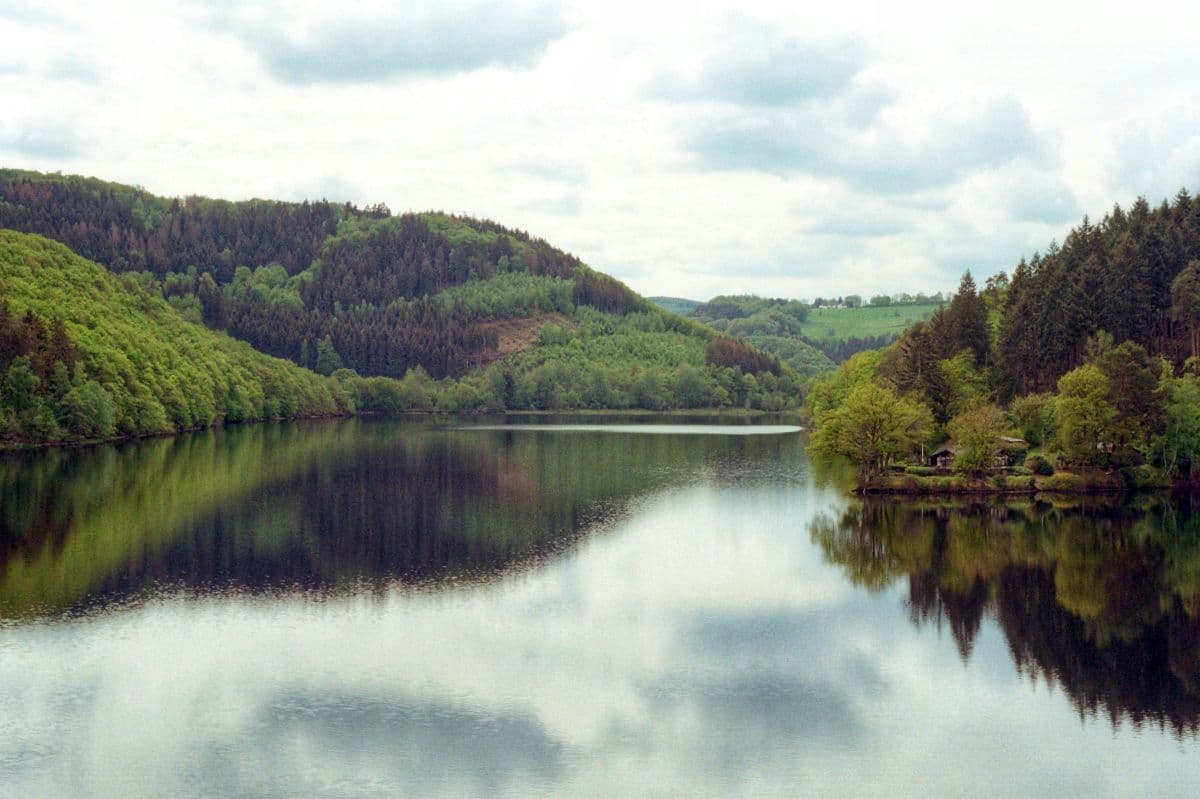
Four days through the Eifel National Park: beech forests, open high plains, and the lakes along the Rur. Quiet paths, red deer calling in autumn, and the deserted village of Wollseifen.
 Saxon Switzerland · Germany
Malerweg
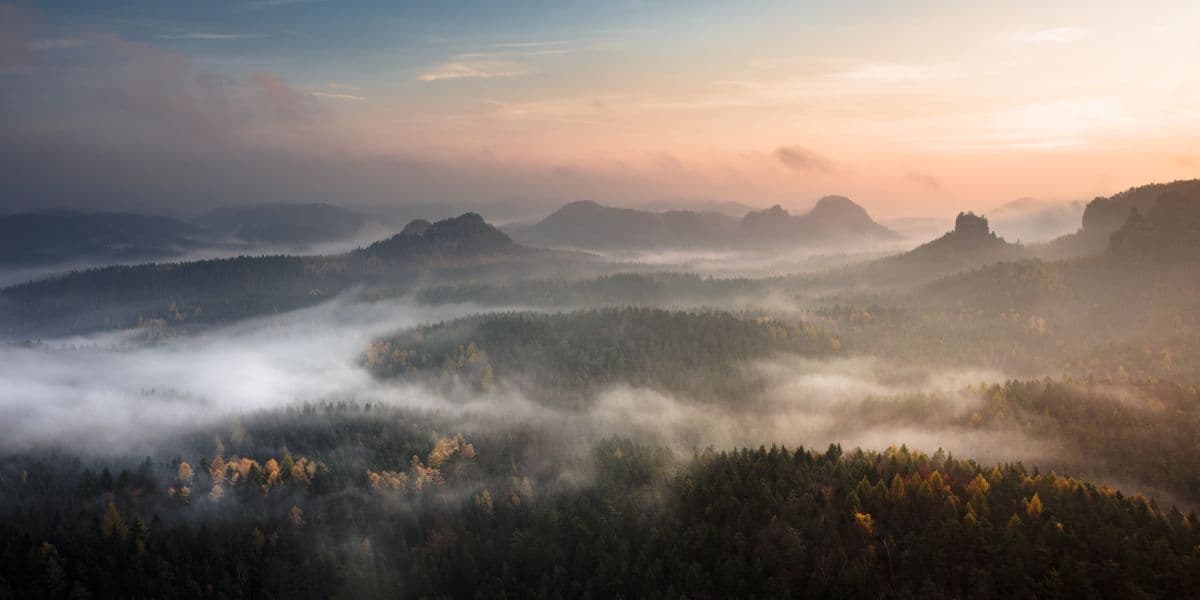
Eight stages on the painters' route through Saxon Switzerland: a figure of eight around the Elbe, over sandstone towers, dizzying ridge paths and stone steps, from Liebethal to Pirna.
 Lüneburger Heide · Germany
Heidschnuckenweg Nordheide
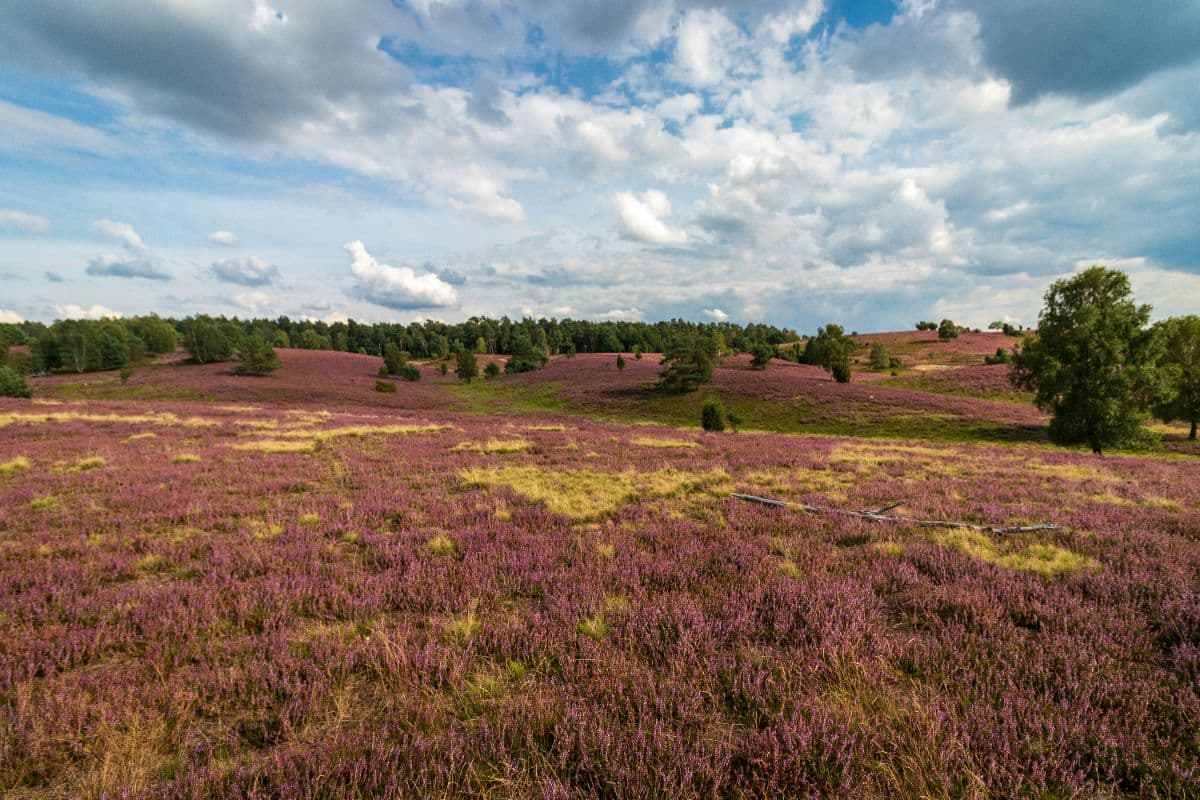
The northern half of the Heidschnuckenweg: from an S-Bahn station in Hamburg to Soltau, over the Wilseder Berg and through the finest heath valleys of the Lüneburger Heide.