
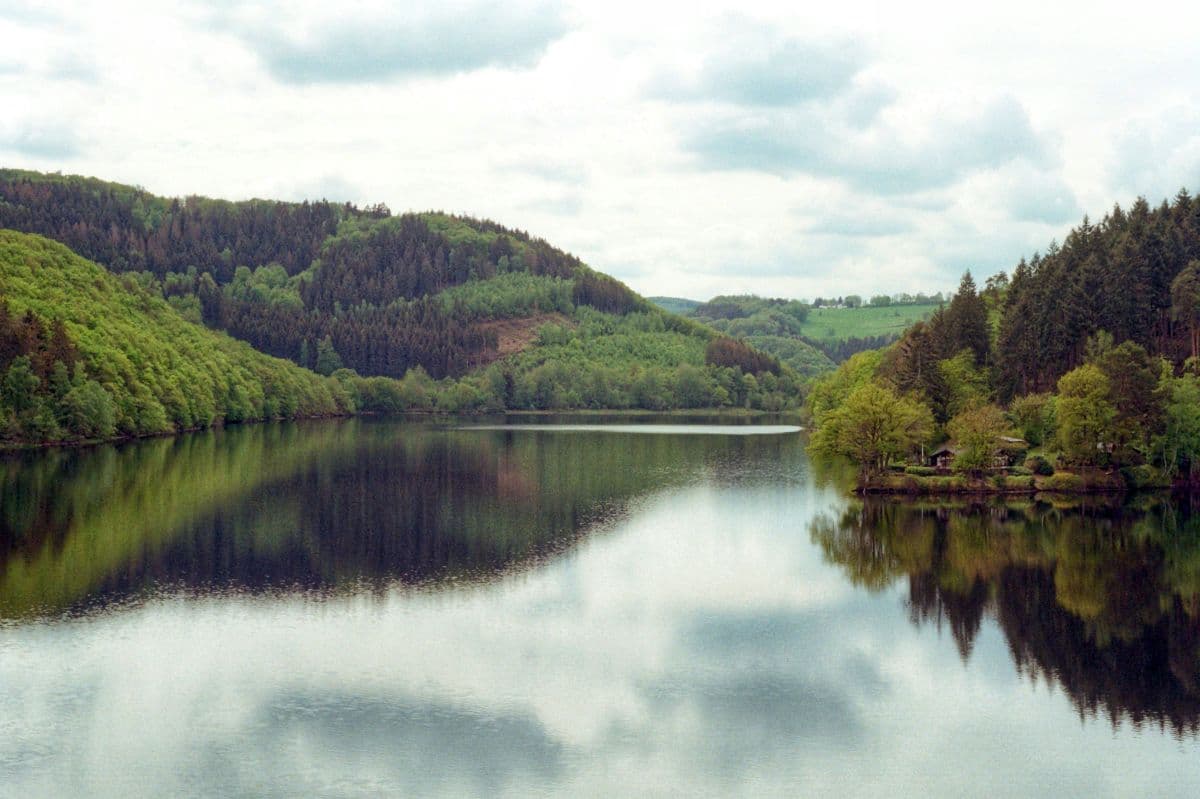
 National Park Eifel · Germany
Wildnis Trail Eifel
Four days of wilderness in the Eifel

About Wildnis Trail Eifel
The Wildnis Trail crosses the Eifel National Park from south to north: from the hedgerow country around Monschau to the Rur valley, 84 kilometres in four days with 2,300 metres of climbing, through a park where nature has set its own rules since 2004.
The trail is waymarked end to end with the stylised wildcat head. Deep beech and oak forest alternates with open high plains: the Dreiborn plateau, once a military training ground and now slowly returning to wilderness, with the deserted village of Wollseifen and the former Nazi training castle of Vogelsang as silent witnesses. The chain of lakes along the Rur, the Obersee and Urftsee, frames the first two days.
It is not high mountain, but it is a route of long days and real climbing: 18 to 24 kilometres a day, narrow paths along the lakes and long ascents through the woods. In September and October the red deer rut and the beeches turn.
Practical. Start at the Nationalpark-Tor Höfen and finish at Zerkall, both reachable by train or bus; from Zerkall the Rurtalbahn runs back along the lakes to Heimbach, where the Trail-Express takes you to Höfen. Stay with the official National Park hosts in the stage villages; wild camping is forbidden in the park. Book two to three weeks ahead for autumn weekends.
Stages Wildnis Trail Eifel
The Wildnis Trail Eifel is split here into 4 stages of 18 to 24 km, 85 km in total, from Höfen to Zerkall. The stages below are a sample itinerary: in the planner you put together your own days and choose where you sleep.
Höfen - Einruhr
The longest day starts at the park gate in Höfen and immediately drops into the Perlenbach valley, then climbs through meadows to the high point near Wahlerscheid. The path follows the Erkensruhr valley before the day ends with the first view over the Obersee at Einruhr.
Einruhr - Gemünd
A day of water and history: narrow paths hug the cliffs of the Obersee before reaching the Urft dam, once the largest in Europe. Across the open Dreiborn plateau you pass the deserted village of Wollseifen and the former Nazi training college at Vogelsang, now a museum, before dropping into Gemünd.
Gemünd - Heimbach
The quiet heart of the park. The trail climbs from Gemünd into the Kermeter, the largest beech and oak forest of the Eifel, passes Wolfgarten and stops at Mariawald Abbey, famous among hikers for its pea soup. The day ends descending through old woods to Heimbach.
Heimbach - Zerkall
The shortest and lightest day. The route wanders through the Hetzinger forest with its gnarled old oaks, follows the quiet Schlehbach valley and finishes at the Rur in Zerkall, from where the train runs back along the lakes to Heimbach.
FAQ
Below you'll find answers to some frequently asked questions.
Ready to Explore Wildnis Trail Eifel?
Start planning your adventure today!
Open this trip in the free Vandra mobile app and copy it to your own account, so you can edit it and plan freely, exactly the way you want.
More trips nearby
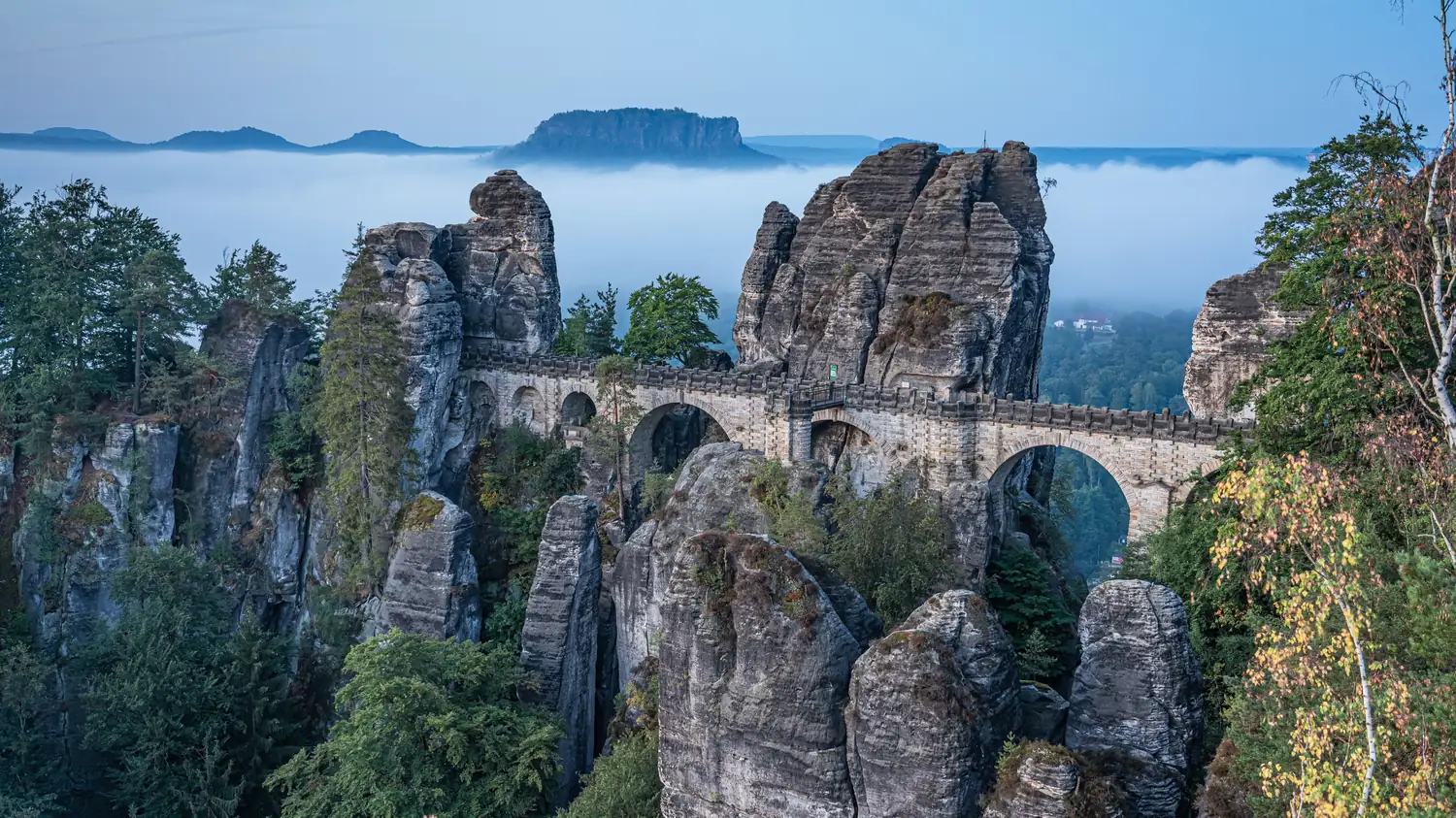 Saxon Switzerland · Germany
Malerweg
Eight stages on the painters' route through Saxon Switzerland: a figure of eight around the Elbe, over sandstone towers, dizzying ridge paths and stone steps, from Liebethal to Pirna.
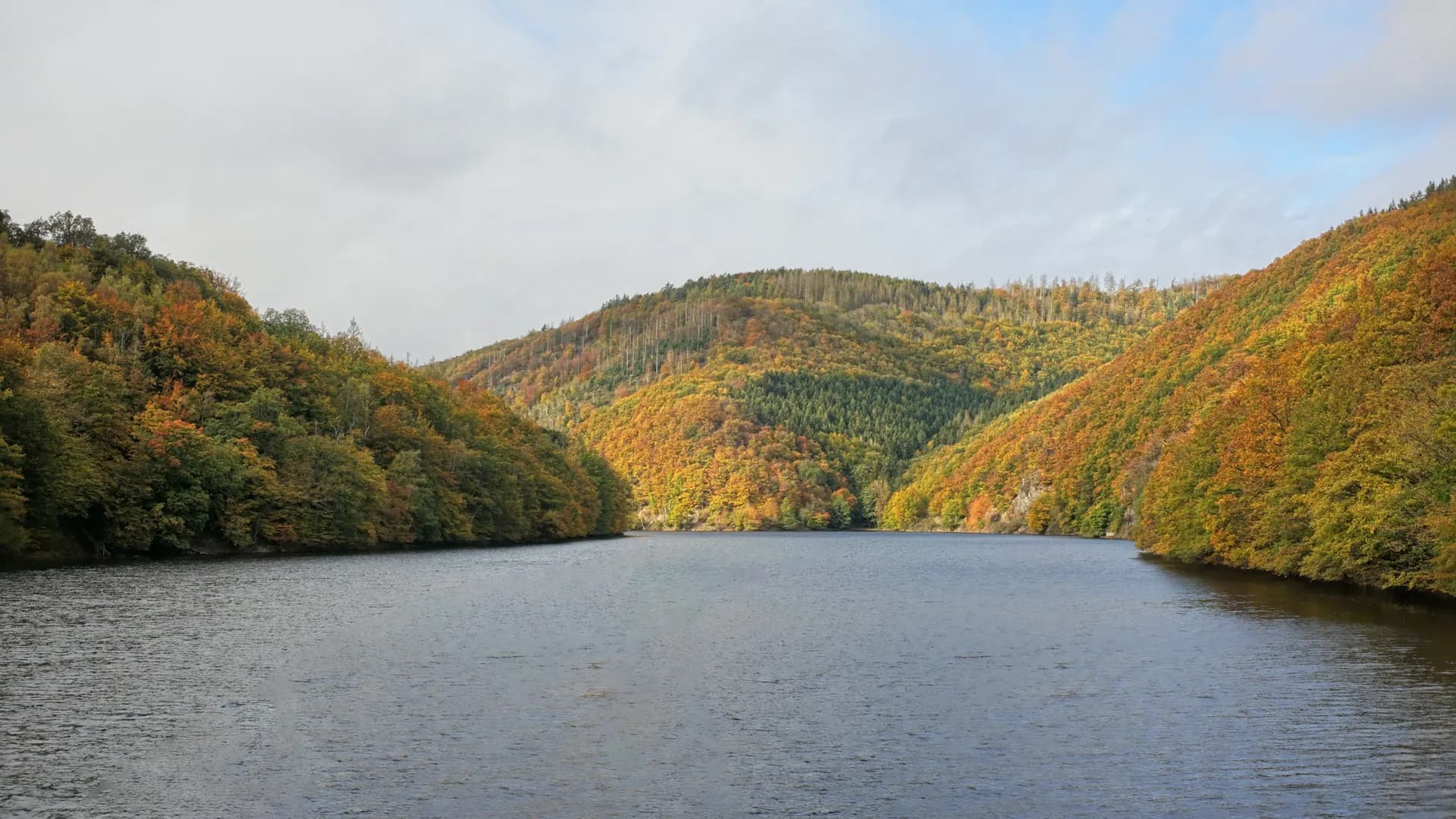 Nordeifel · Germany
Eifelsteig Nordeifel
Three days on the Eifelsteig from Kornelimünster to Einruhr: forest, stream valleys and Monschau.
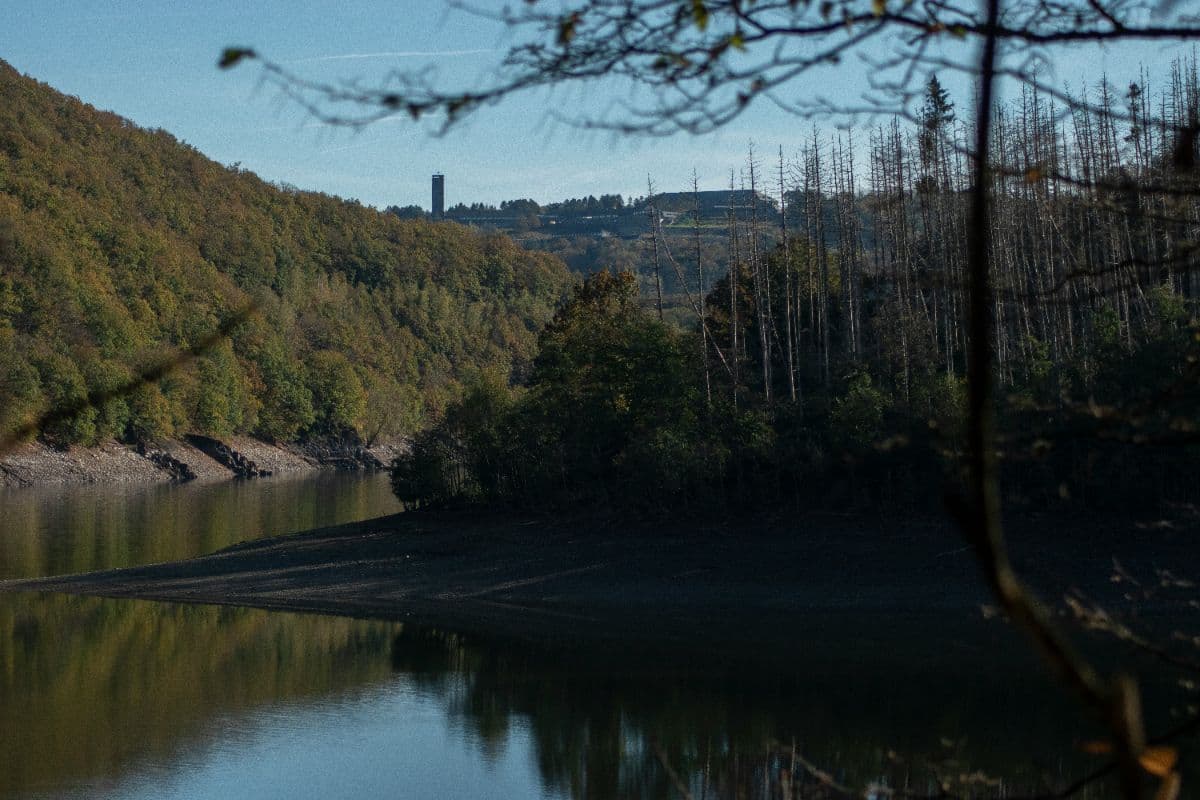 Eifel · Germany
AhrSteig
Seven-day walk through the Eifel and the Ahr wine region, from Blankenheim to the Rhine at Sinzig.