
Netherlands
Dunes, wadden and the hills of Limburg
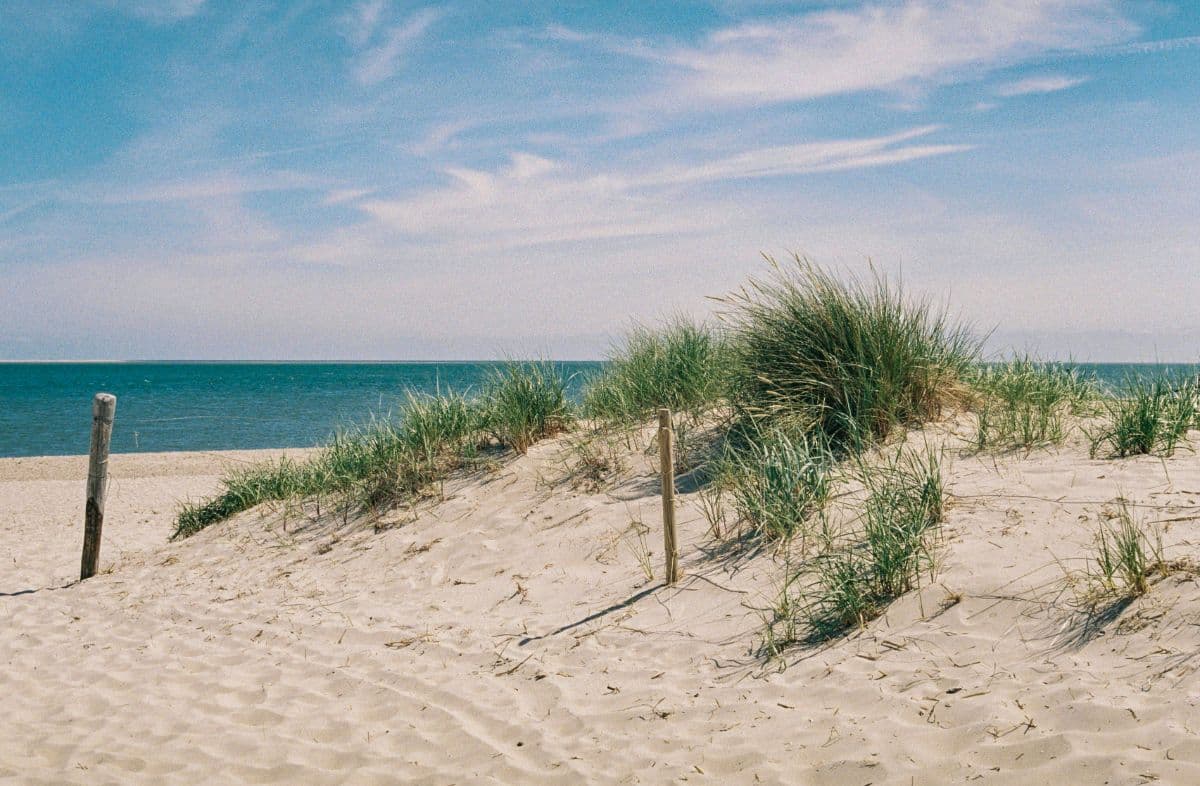
The Netherlands is flatter than its reputation. Along the coast rise dunes that climb past fifty metres, with woods behind them; inland lie the sandy grounds of Utrecht, Gelderland and Brabant with heath, drifting sand and fens.
In the north lie the Wadden with their tides and birds, in the south the hills of Limburg with chalk grassland and sunken lanes. Water and meadow shape the land, and you see it in the paths: dikes, towpaths and gaps between fields.
You can walk all year; the heather flowers in August.

Trips in Netherlands
 Salland · Netherlands
Pieterpad Salland
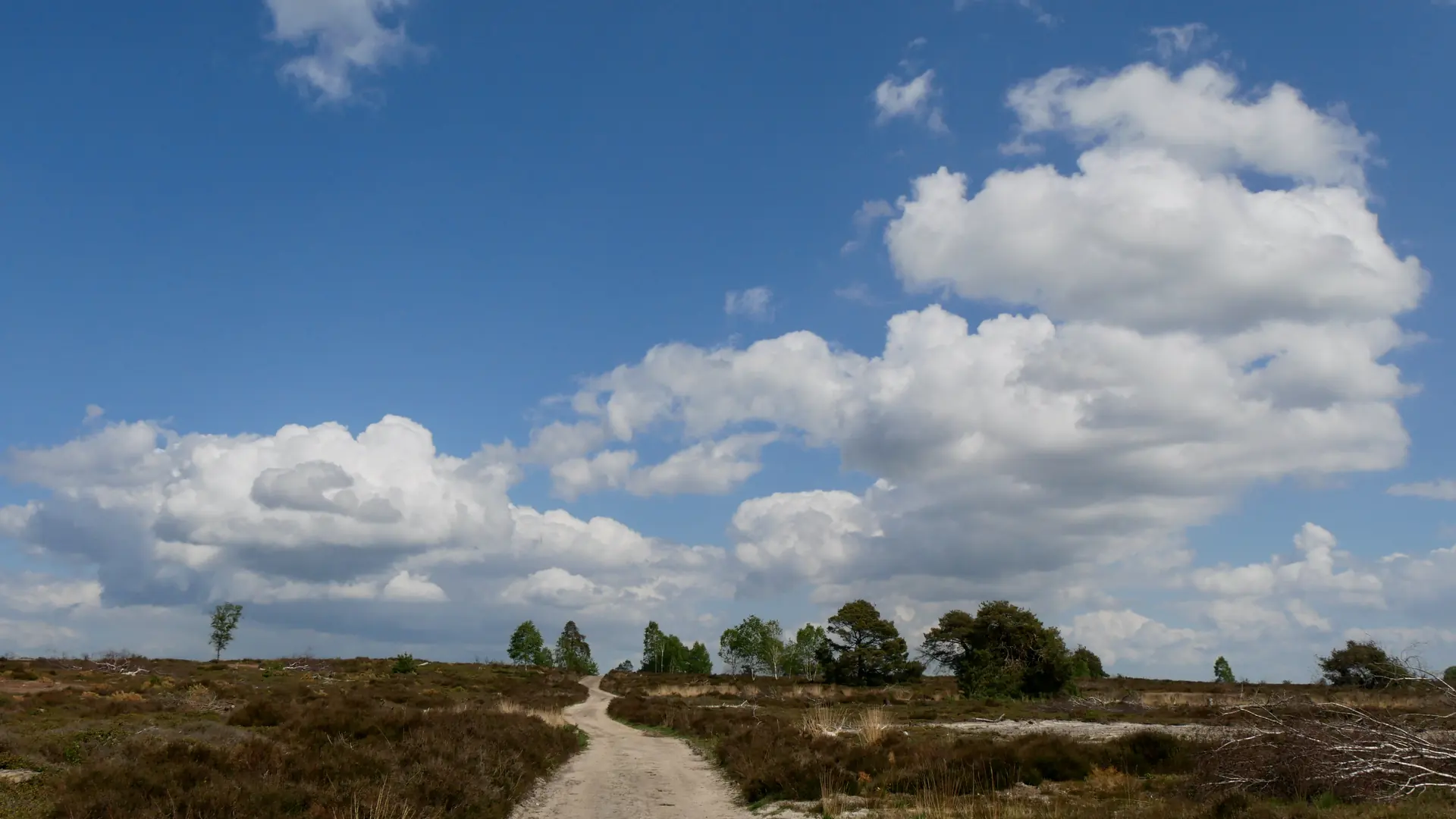
Three days on the Pieterpad from Ommen to Laren: the Vecht, the ridge and the Holterberg.
 Biesbosch · Netherlands
Biesboschpad Zuidrand
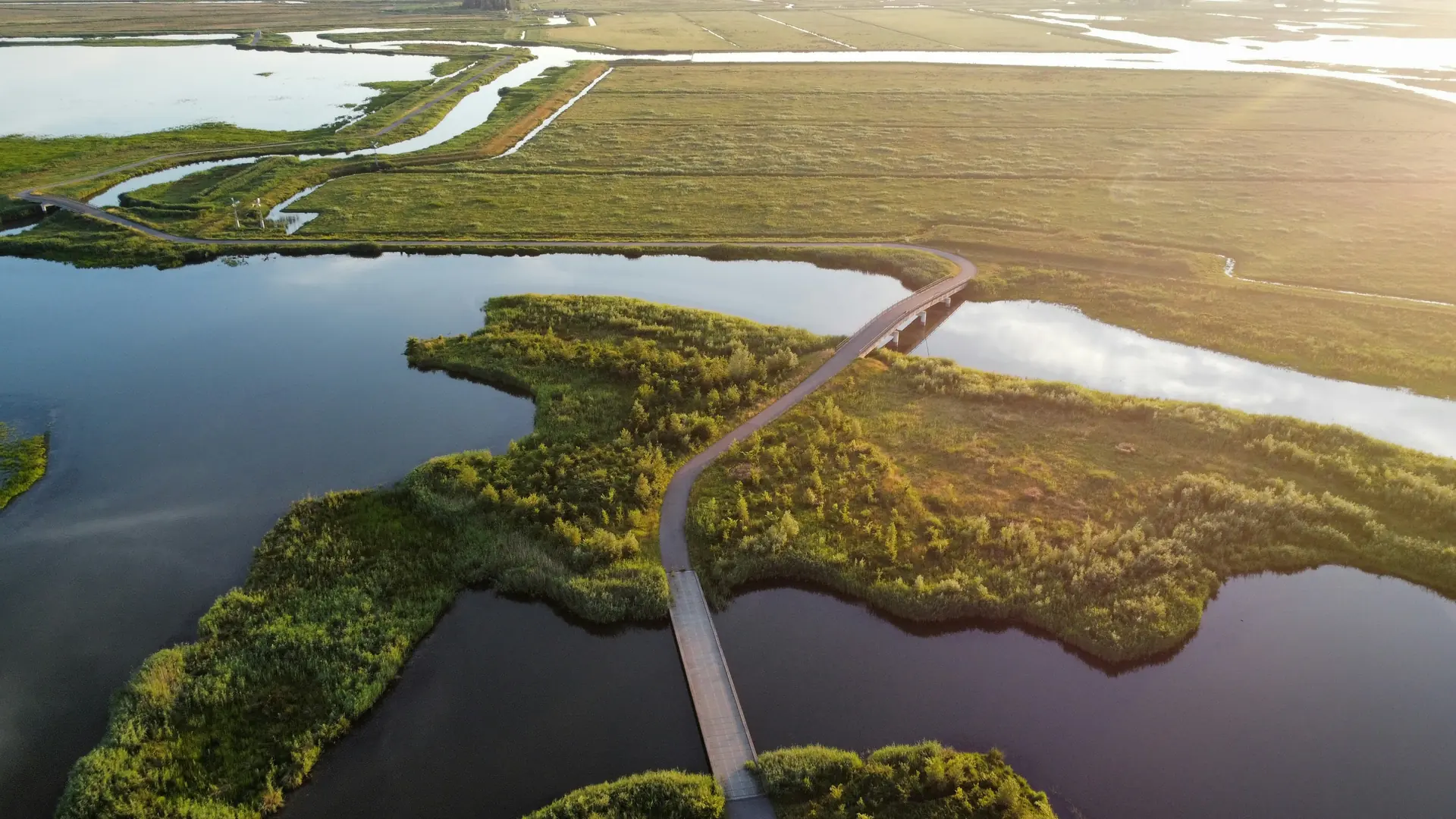
Three days on the Biesboschpad from Waalwijk to Werkendam: dikes, floodplains and creeks.
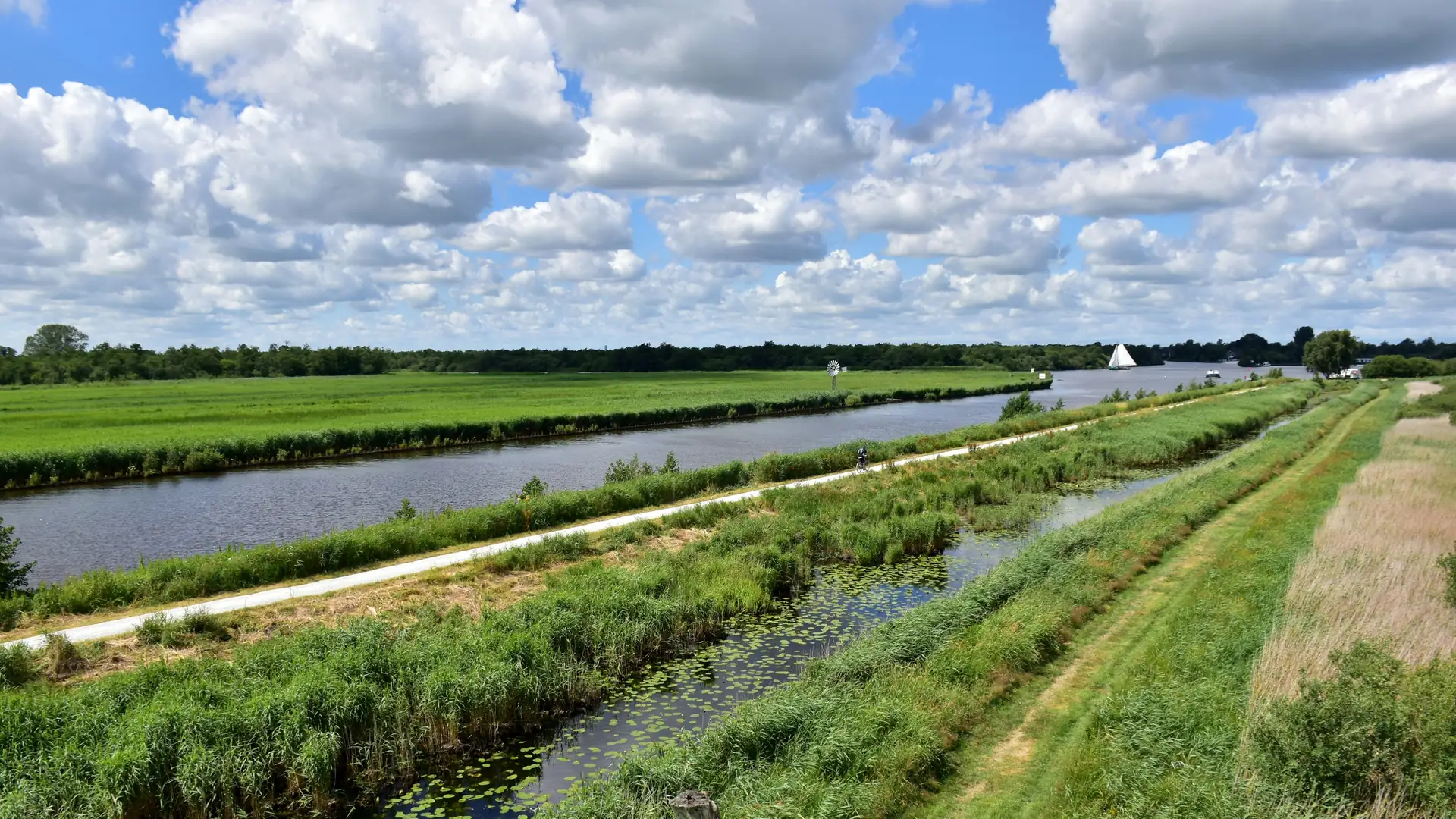 Weerribben-Wieden · Netherlands
Zuiderzeepad Weerribben-Wieden
Three days on the Zuiderzeepad from Ossenzijl to Kampen: reed beds, lakes and the IJssel.
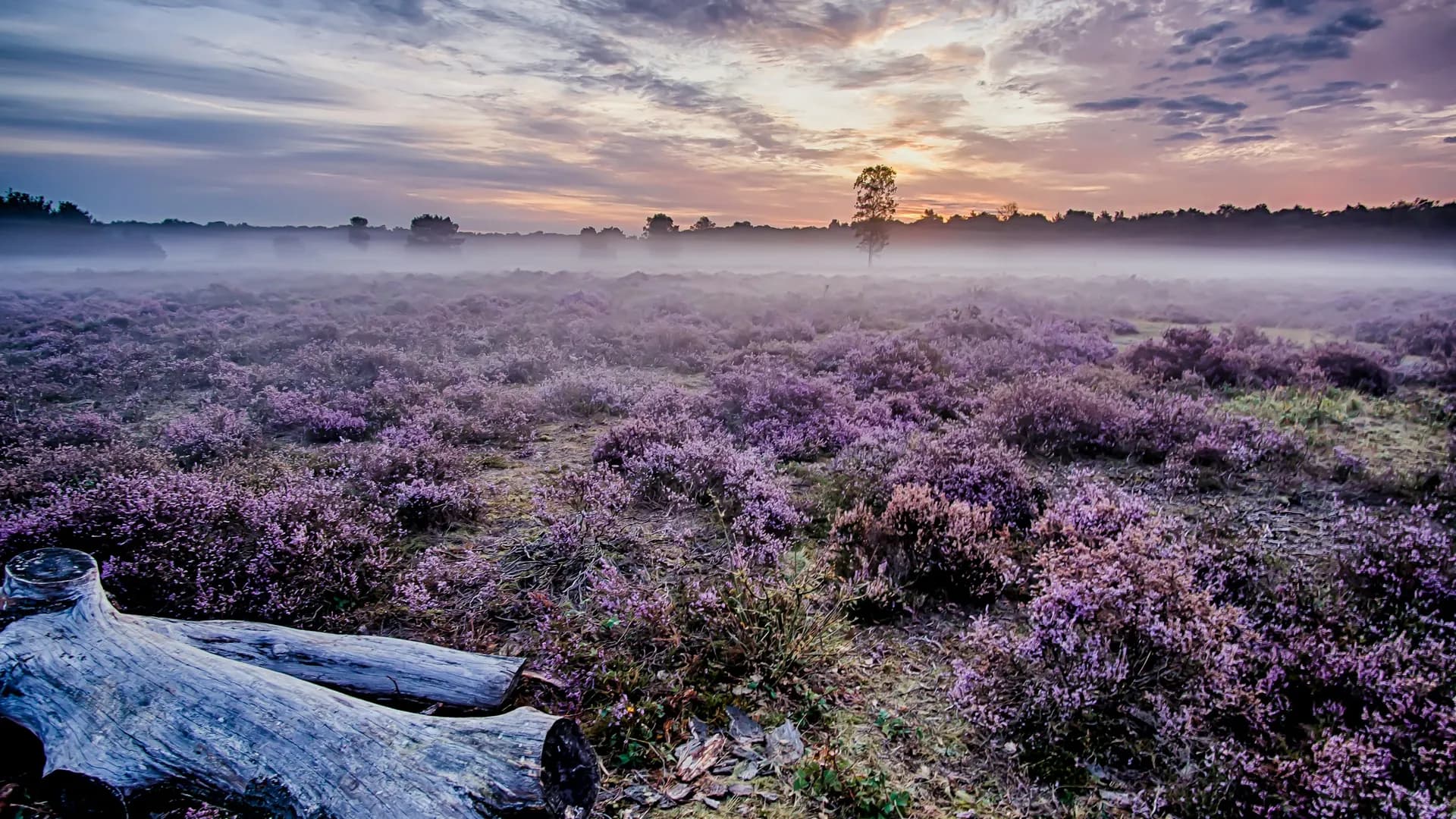 Achterhoek and Twente · Netherlands
Trekvogelpad Achterhoek - Twente
Three days on the Trekvogelpad from Ruurlo to Enschede: hedgerows, the Berkel and the Buurse heath.
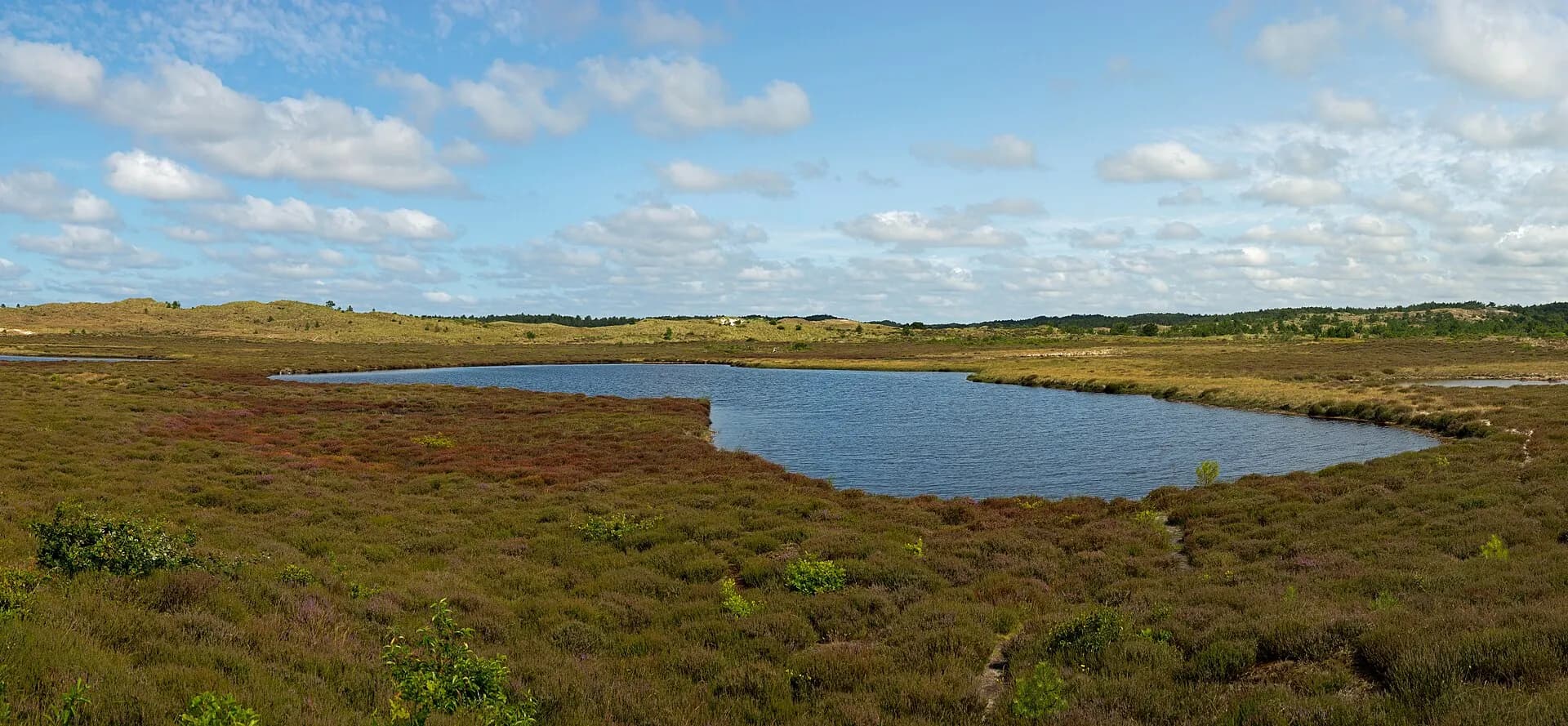 Noord-Holland · Netherlands
Nederlands Kustpad Noord-Holland
Two days along the North Holland coast from Wijk aan Zee to Groet: dunes, beach and the Klimduin at Schoorl.
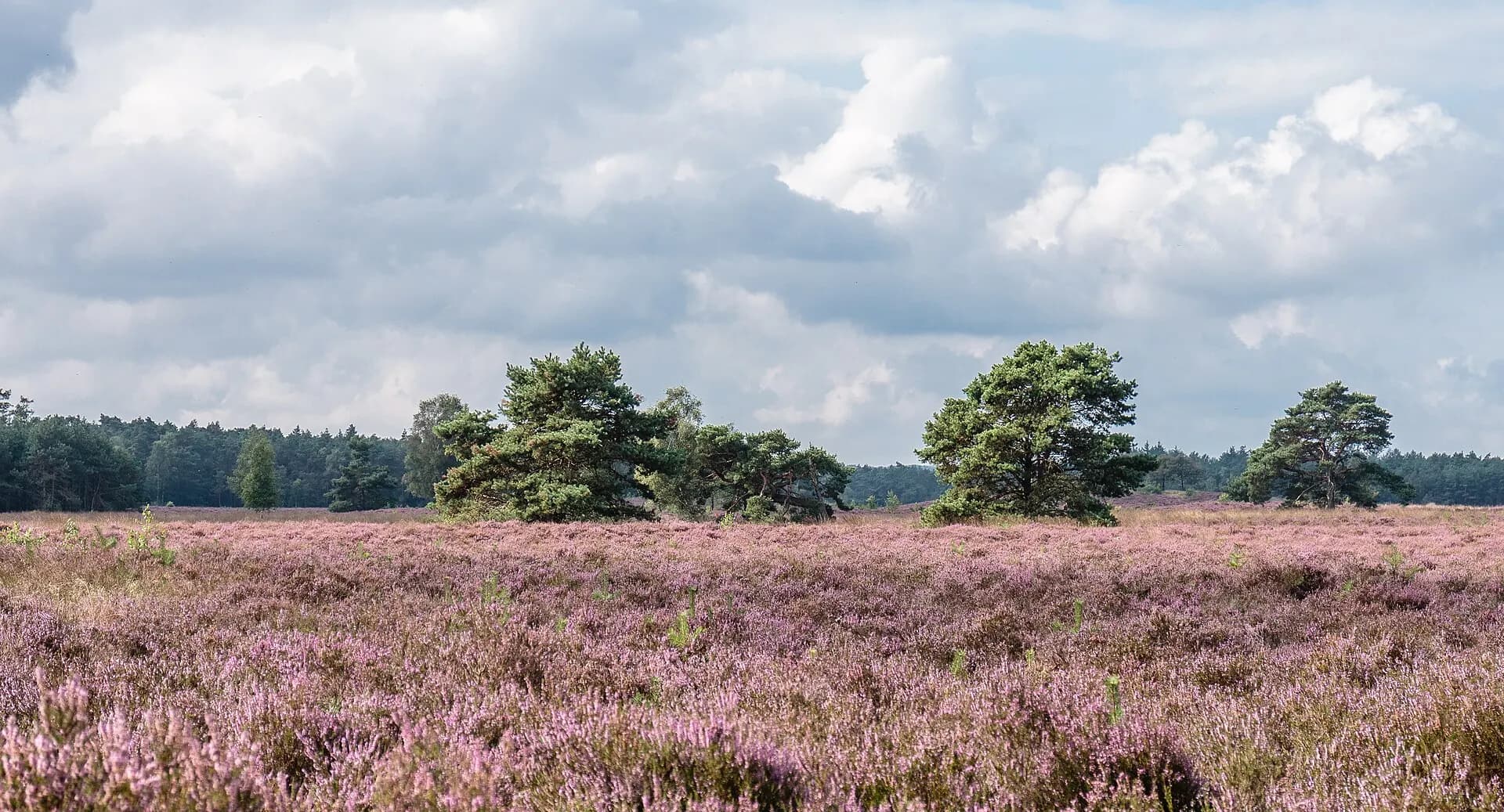 Veluwe · Netherlands
Veluwe Zwerfpad Midden
Two days across the Veluwe from Hoenderloo to Dieren: the Loenermark, drift sand, the sheepfold and the IJssel valley.
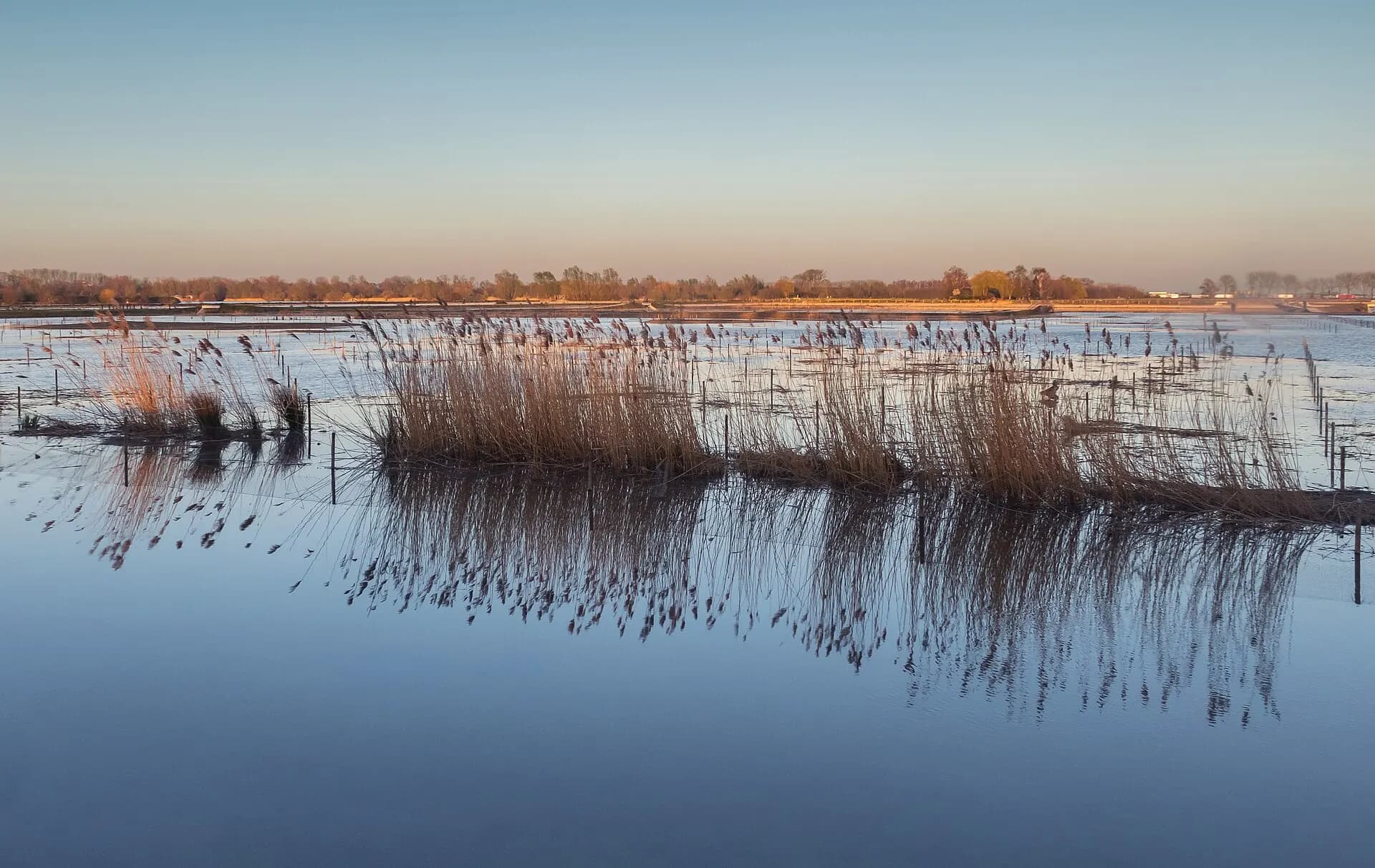 Gelderland · Netherlands
Romeinse Limespad Gelderland
Three days from the Westerbouwing to Nijmegen: estates near Arnhem, the Roman temple of Elst and the Waal at Noviomagus.
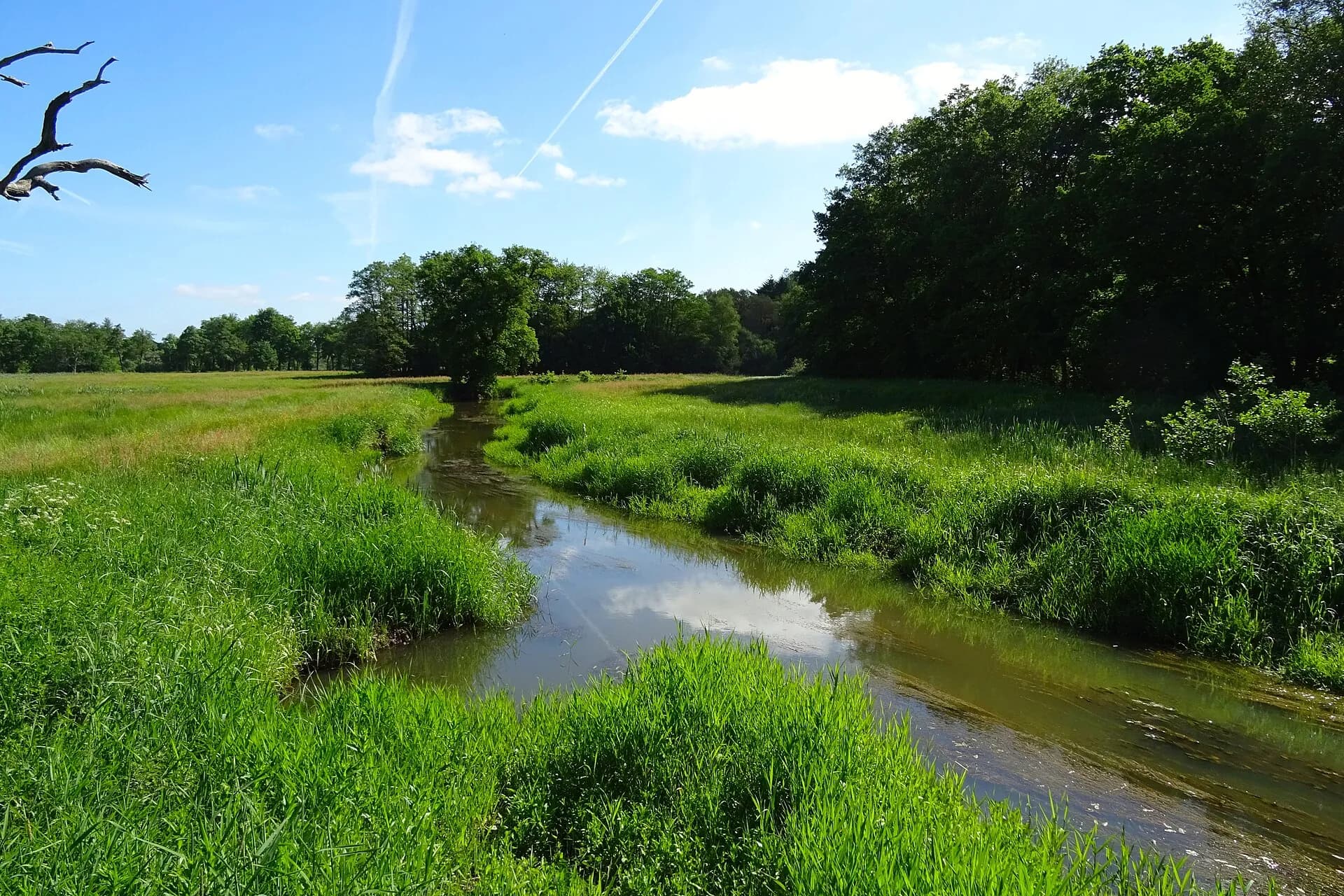 Drenthe · Netherlands
Drenthepad Noordoost
Three days from Glimmen to Borger along the Hondsrug: the Drentsche Aa valley, the es villages of Zuidlaren and Gieten, and the largest hunebed in the country.
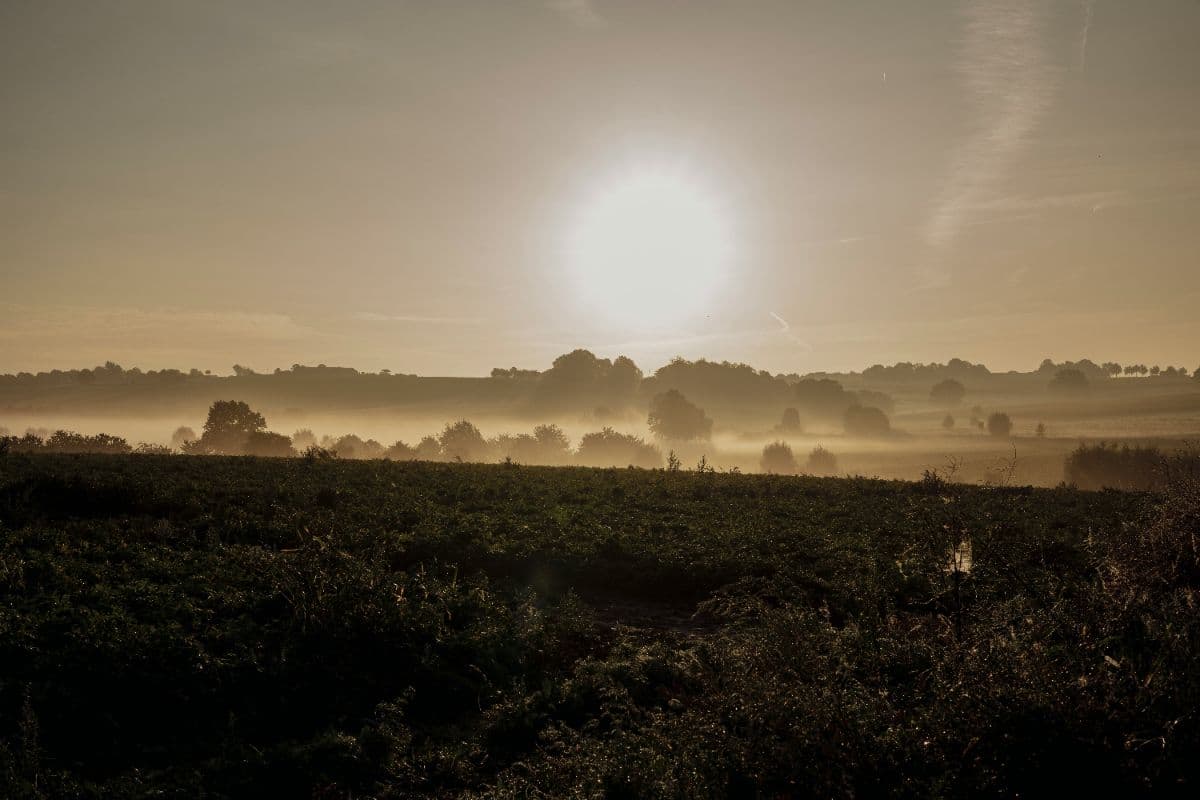 Zuid-Limburg · Netherlands
Krijtlandpad
Five days of hills, hollow roads and castles through the Mergelland of South Limburg, from Maastricht to the three-country point and back.
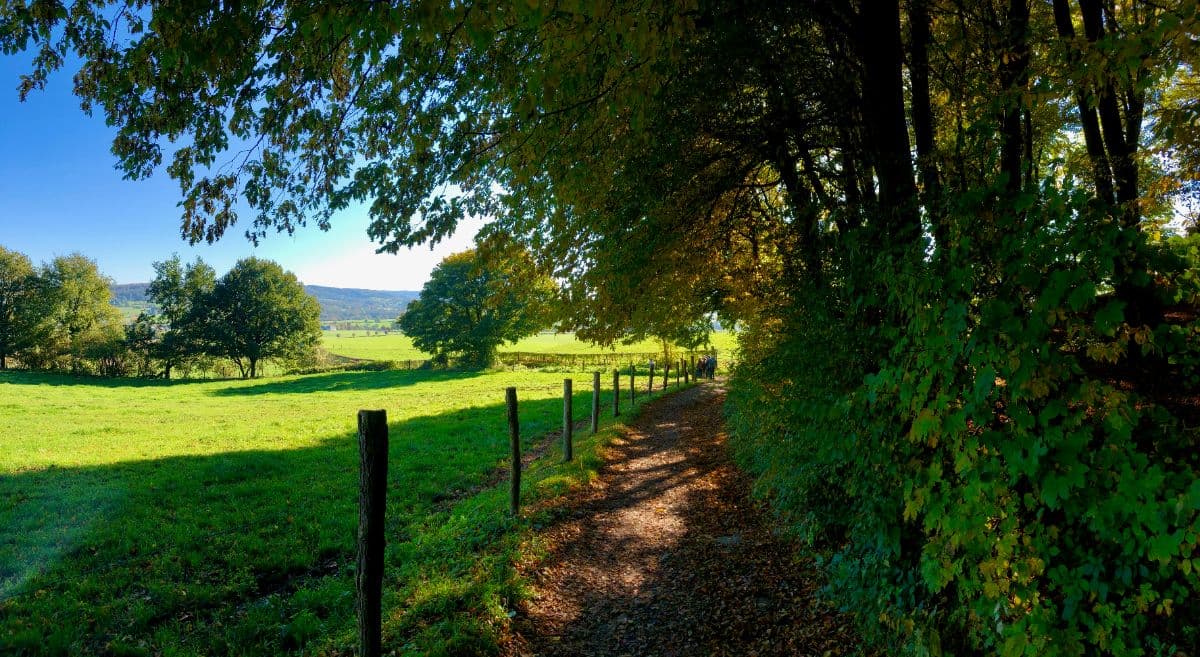 South Limburg · Netherlands
Dutch Mountain Trail
The toughest long-distance walk in the Netherlands: four days across the hills of South Limburg, over the Seven Summits, through three countries, from Eygelshoven station to Maastricht.